

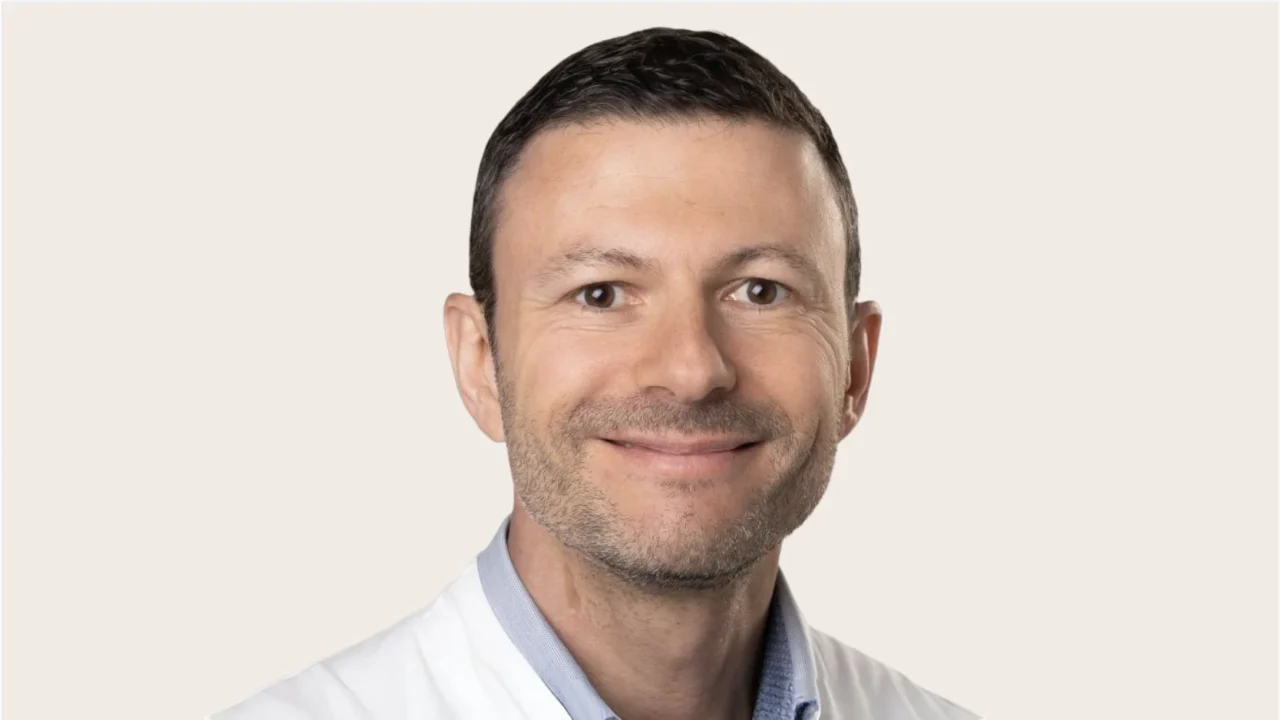
Michael Ertl: Air Pollution and Stroke – Which Patients Are Particularly at Risk?
Michael Ertl, Medical Director and Chief Physician at District Hospitals of Swabia, shared on LinkedIn about a recent article he and his colleagues co-authored, published in Air Quality, Atmosphere and Health, adding:
”Air pollution and stroke: Which patients are particularly at risk?
I am pleased that our current work from our research group has now been published:
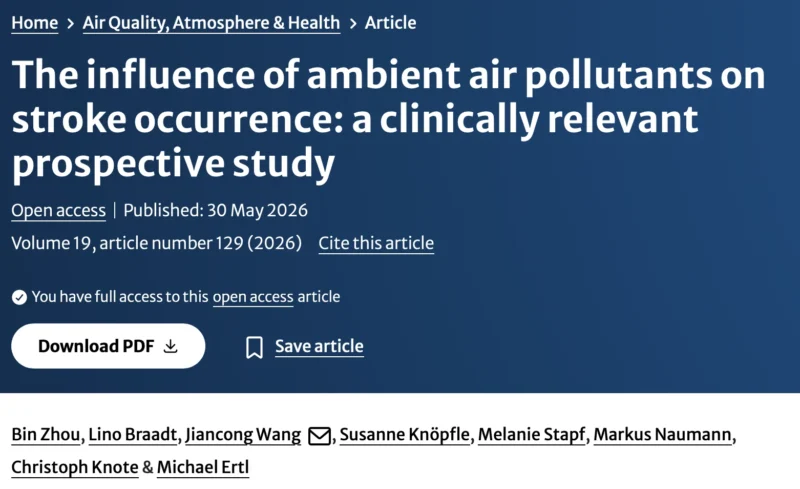
‘The influence of ambient air pollutants on stroke occurrence: a clinically relevant prospective study’
In a prospective analysis of more than 3,100 consecutive stroke patients, we investigated how short-term exposure to air pollutants is related to the occurrence of strokes – and whether certain clinical subgroups are particularly vulnerable.
Key results:
- NO₂ (nitrogen dioxide) showed the strongest associations with stroke events.
- Patients with macroangiopathy, diabetes mellitus and arterial hypertension were particularly affected.
- Particulate matter (PM₁₀) levels were associated with an increased risk of severe stroke, especially in patients requiring thrombectomy.
- The results suggest that air pollutants are not only a public health issue, but also have direct clinical relevance for neurological care.
The study is based on a prospective stroke registry with detailed clinical phenotyping and provides new clues as to which patient groups may be particularly sensitive to environmental exposure.
Many thanks to all co-authors as well as to the entire team that made the data collection and analysis possible.”
Title: The influence of ambient air pollutants on stroke occurrence: a clinically relevant prospective study
Authors: Bin Zhou, Lino Braadt, Jiancong Wang, Susanne Knöpfle, Melanie Stapf, Markus Naumann, Christoph Knote, Michael Ertl
Stay updated on all scientific advances with Hemostasis Today.
-
Oct 20, 2026, 16:51Suzan Nakasendwa: A Growing Stroke Challenge in Uganda
-
Oct 20, 2026, 16:38Steve Moon: How Does Smoking Cessation Duration Affect Ischemic Stroke Risk
-
Oct 20, 2026, 16:25Cedrice Mentor: Reducing Platelet Wastage Through Cold Storage
-
Oct 20, 2026, 16:09Thirunavukkarasu Angappan: Can a Purified Fibrinogen Concentrate Replace Cryoprecipitate
-
Oct 20, 2026, 16:01Kalyan Roy: Platelet Conservation Through Evidence-Based Transfusion Practice
-
Oct 20, 2026, 15:28Stacy E. Croteau: 33 Countries, One Mission – Better Bleeding Disorder Care
-
Oct 20, 2026, 15:19Teresa Barnes: What Does a Pulmonary Embolism Mean for Jalen Hurts?
-
Oct 20, 2026, 15:04Laura S.: Could Speaking Up Prevent Maternal Deaths from Thrombosis?
-
Oct 20, 2026, 14:44Pete Stibbs: VTE in Professional Athletes – When Fitness Is Not Enough