


Matthew Walls: Recognising CAD PRS as a New ‘Risk Enhancing Factor’ in the 2026 ACC/AHA Guidelines
Matthew Walls, Chief Executive Officer at GEN inCode, shared a post on LinkedIn:
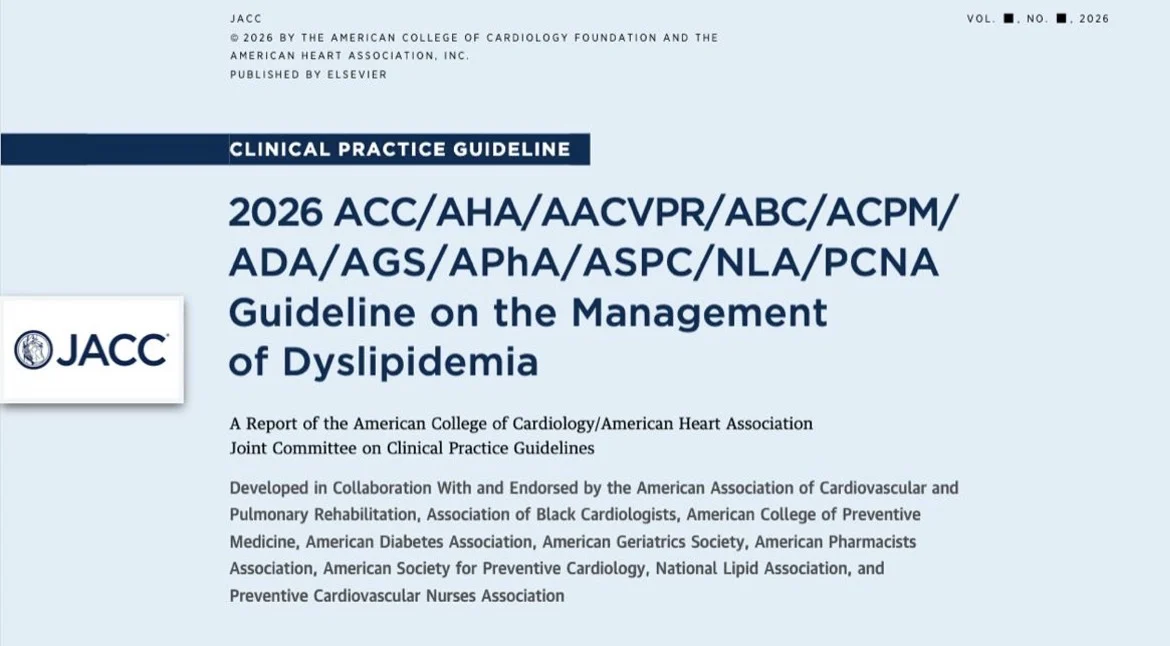
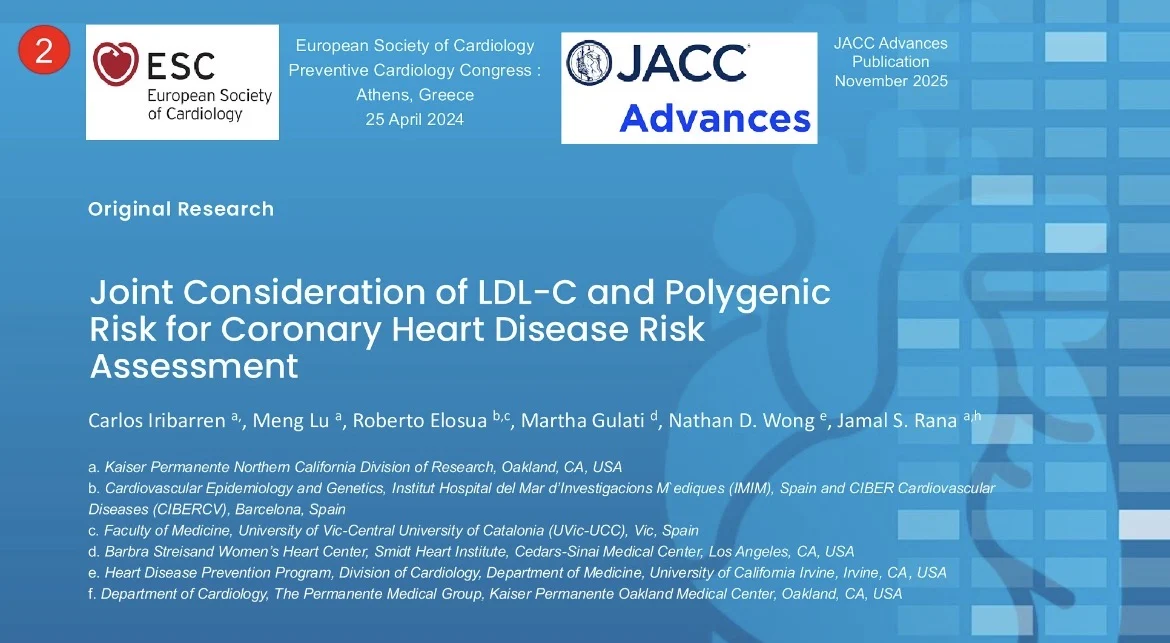
“The updated 2026 ACC/AHA Dyslipidemia Guidelines were published on Friday representing the most significant update to U.S. cardiovascular risk assessment and lipid management over the past decade. Alongside the inclusion of the new prevent clinical risk equation and greater emphasis on treatment goals, from a genetic perspective we are delighted to see the new guidelines recognise an individual’s Coronary Artery Disease Polygenic Risk Score (‘CAD PRS’) as a new ‘risk enhancing factor’.
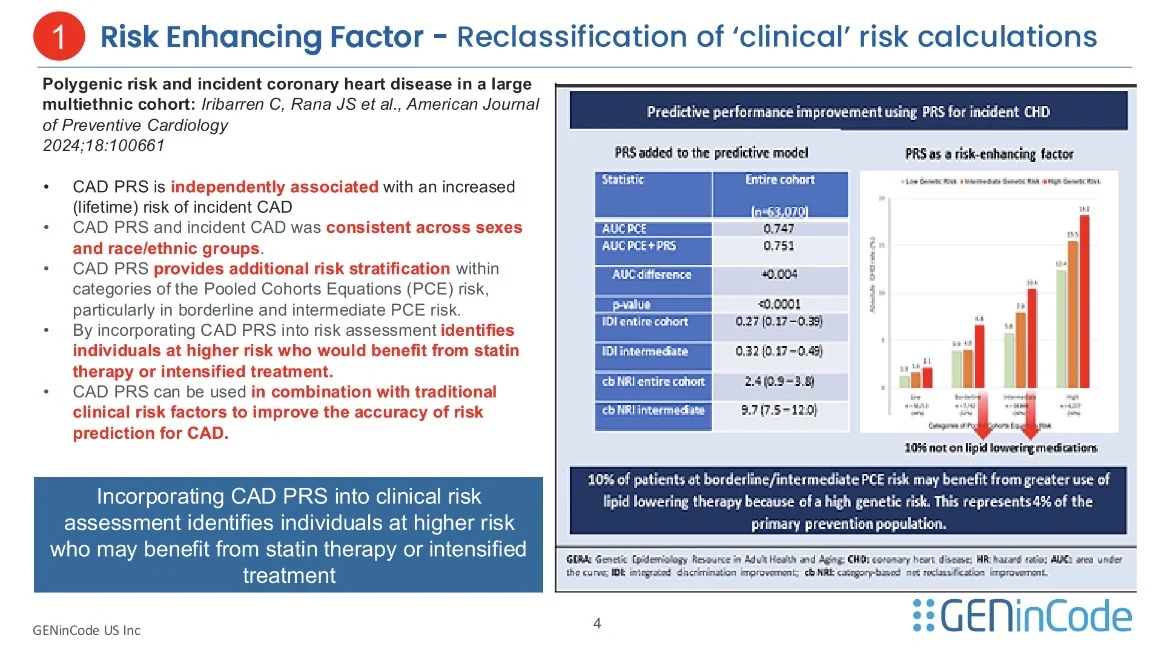
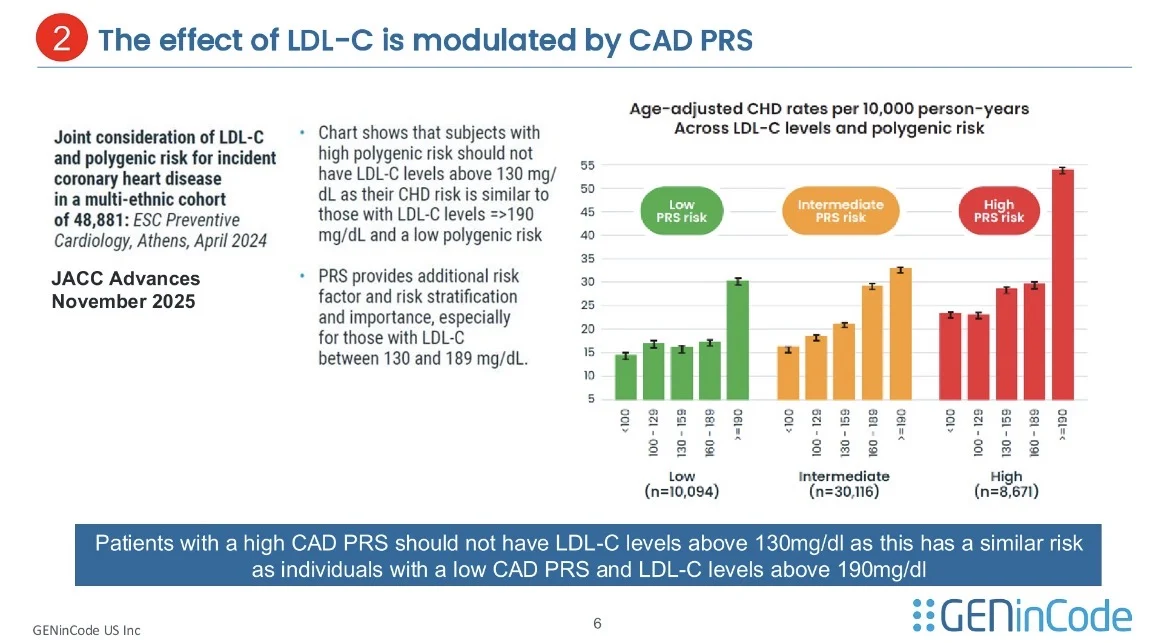
CAD PRS helps identify individuals in the population at higher risk to refine cardiovascular risk assessment. The adoption of genetics to enable ‘earlier in life’ cardiovascular risk assessment is compelling, particularly in younger adults or those with borderline/ intermediate clinical risk and as an aid to decision-making for earlier treatment e.g. statin initiation and/or to intensify lifestyle change and improved patient education to prevent CAD.
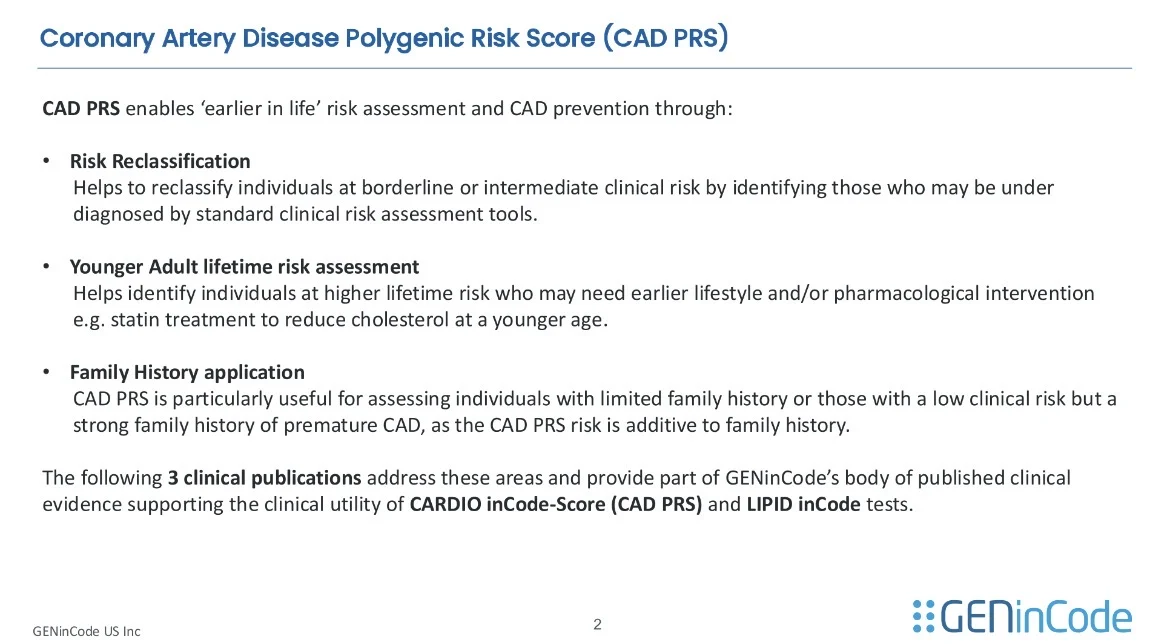
CAD PRS enables ‘earlier in life’ risk assessment and prevention of CAD through:
- Risk Reclassification: helps to up-classify individuals at borderline (3-<5%) or intermediate (5-<10%) clinical risk by identifying those who may be under diagnosed by standard clinical risk assessment tools.
- Younger adults: Helps identify individuals at higher lifetime risk who may need earlier lifestyle and/or pharmacological intervention e.g. statin treatment to reduce cholesterol.
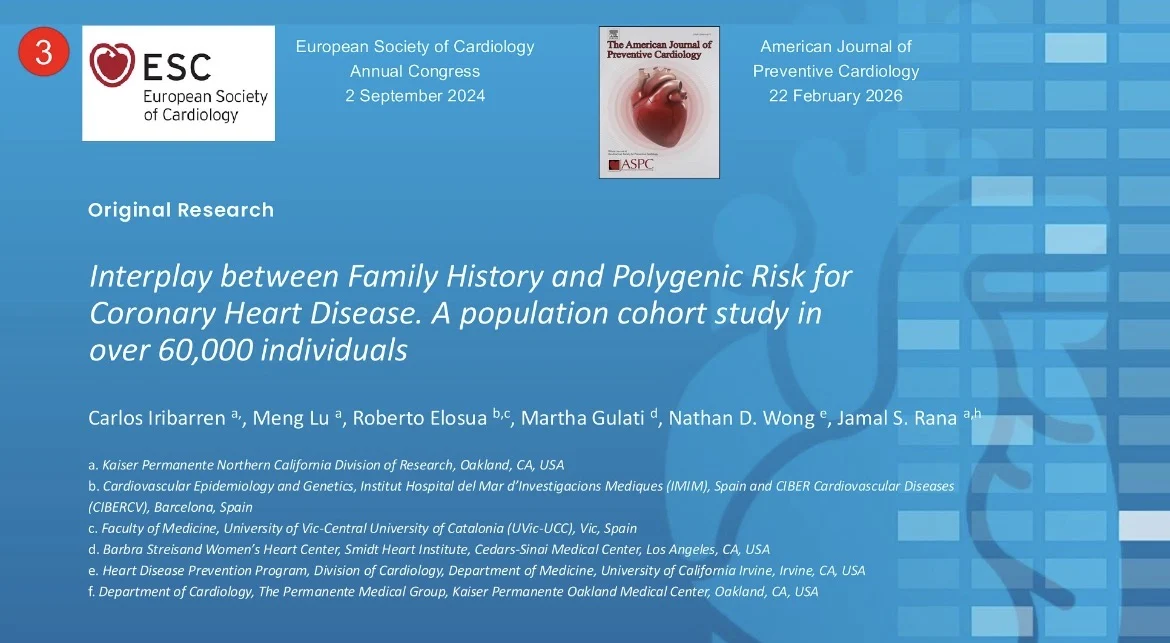
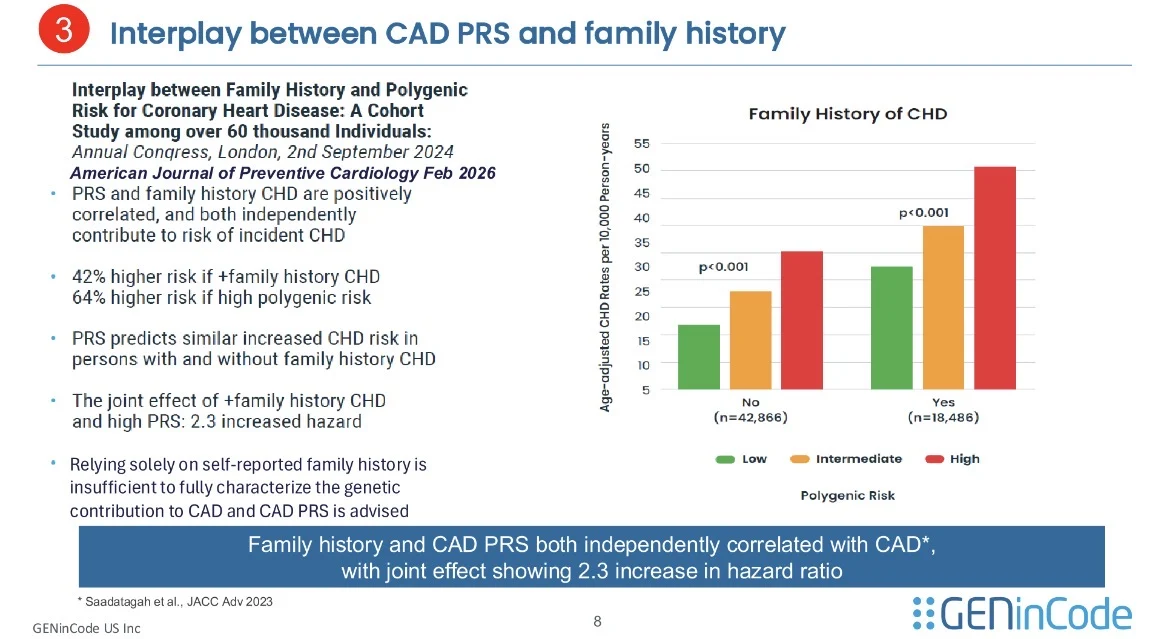
- Family History application: CAD PRS is particularly useful for assessing individuals with limited family history or those with a low clinical risk but a strong family history of premature CAD, as the CAD PRS risk is additive to the clinical risk.
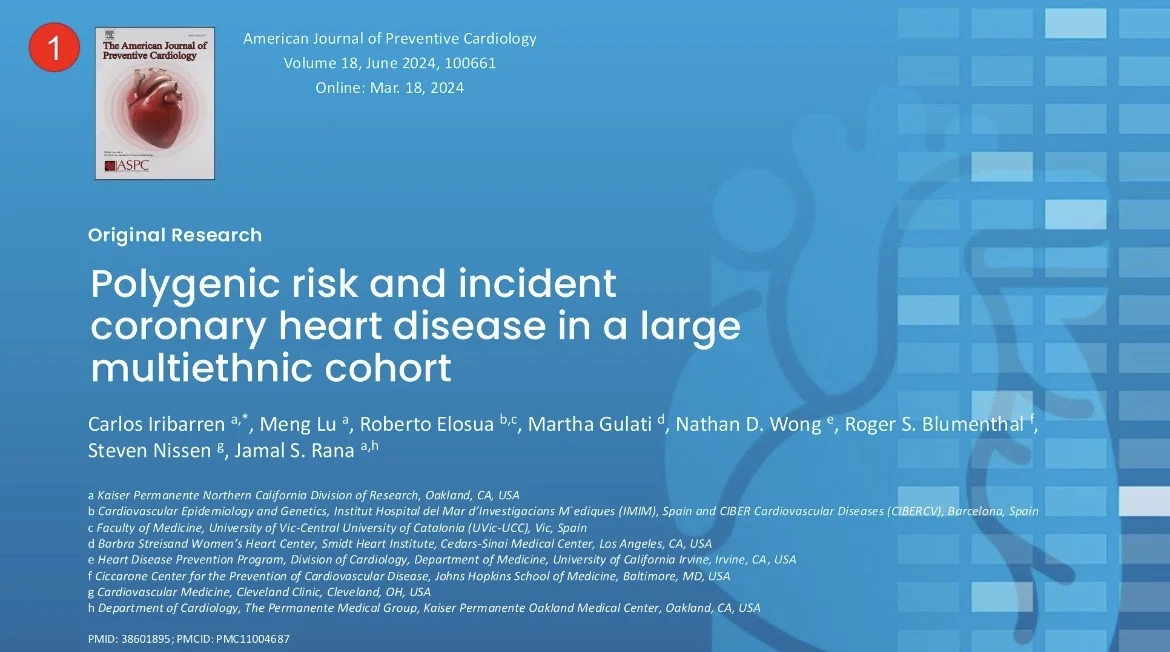
GENinCode and our partners have developed CARDIO inCode-Score (CAD PRS) and LIPID inCode tests over the past 15 years and have amassed a significant body of clinical evidence to support the utility of CAD PRS.
We would like to thank the authors, physicians and reviewers for their wisdom and support in promoting the inclusion of PRS in the new ACC/AHA guidelines.”
Stay updated with Hemostasis Today.

-
Oct 4, 2026, 11:02Stimuli-Induced Remodeling of the Platelet Lipidome in Pulmonary Embolism – ESC
-
Oct 4, 2026, 10:45Join the Bleeding Disorders Advocacy Network! – HFA
-
Oct 4, 2026, 06:12David McIntosh: 900 Plasma Donations One Patient One Lifeline
-
Oct 4, 2026, 06:00Aadil Sheikh: Menopausal Hormone Therapy and Thrombosis Rethinking Route Dose and Risk
-
Oct 4, 2026, 05:27Nirali Thakkar: Influenza and Myocardial Infarction An Unexpected Cardiovascular Connection
-
Oct 4, 2026, 05:03Hisham Fahmi: Thromboprophylaxis in Children With ALL A Risk Adapted Approach
-
Oct 4, 2026, 05:00Mary Cushman: Erin Michos Highlights Rising Heart Disease Mortality Among Younger Women in the US
-
Oct 4, 2026, 04:48Liv Tybjærg Nordestgaard: Is Fasting Necessary Before Blood Sampling?
-
Oct 4, 2026, 04:31Sonal Sonu: Gen Z doesn’t just set trends – Gen Z saves lives